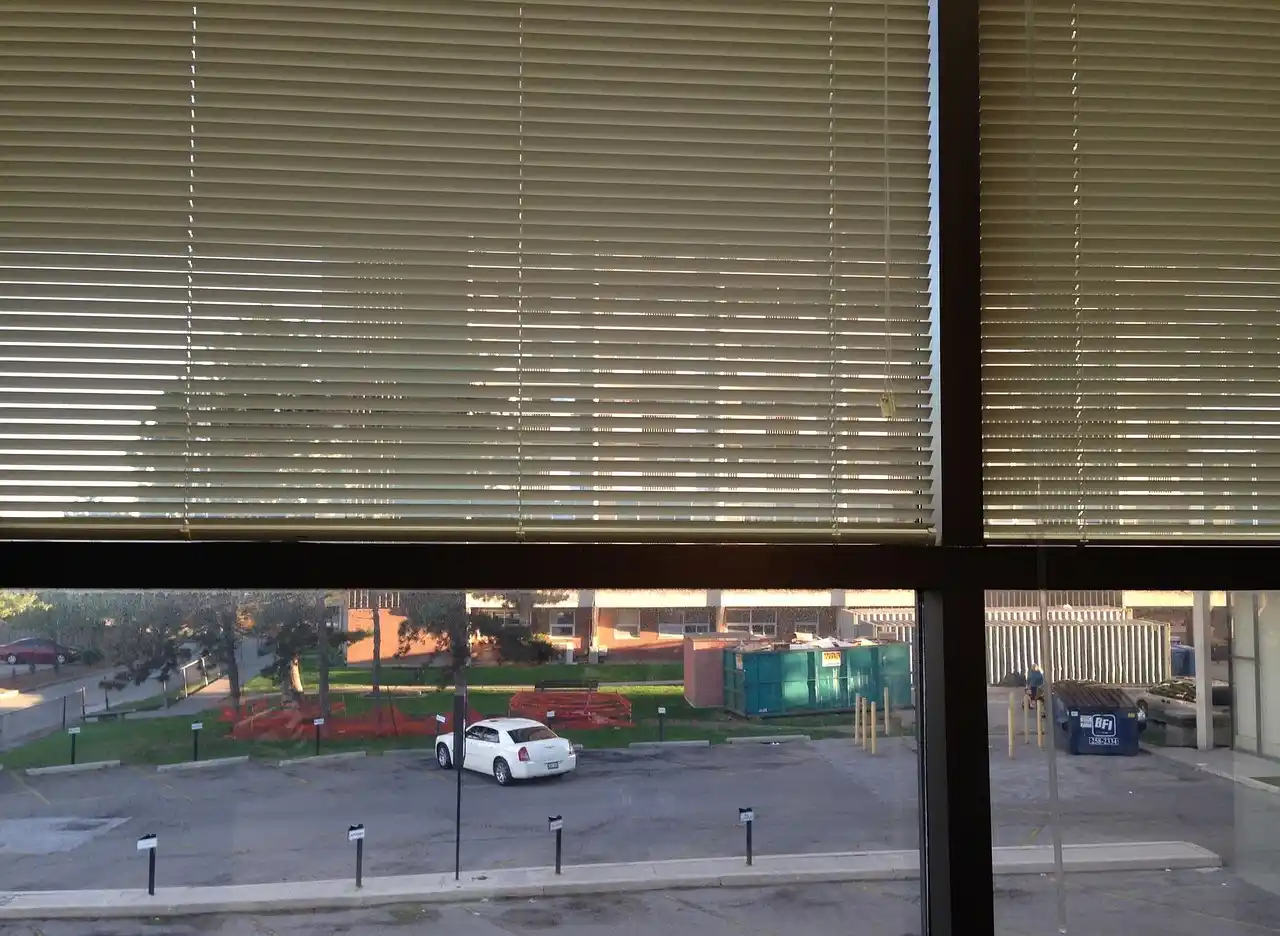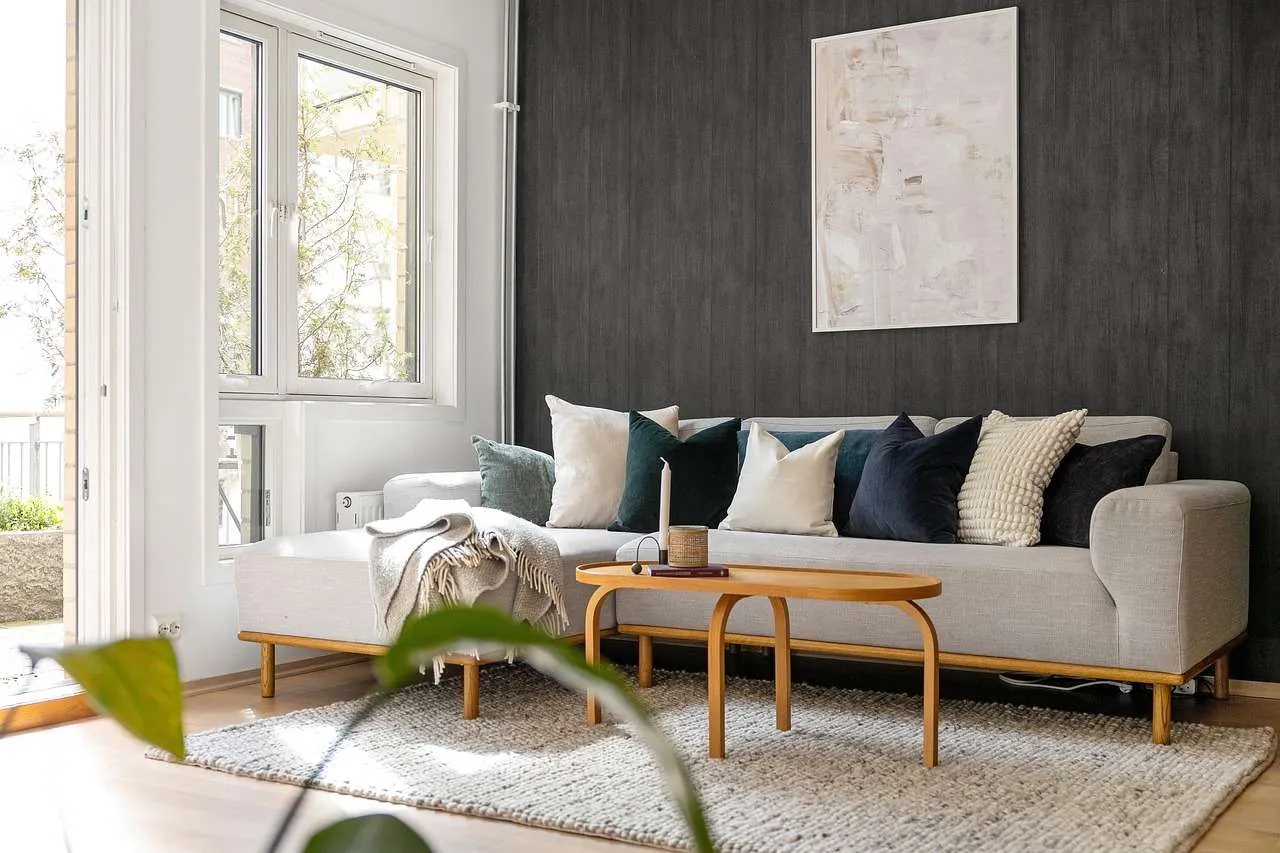
If you’re seeking greater comfort, lower cooling costs, and better interior protection, window tint for home is a practical option. This guide explains how residential window films work, the main benefits, common film types, and practical steps to choose and install them responsibly. Drawing on professional experience in energy efficiency and safety, this article aims to help homeowners make informed decisions and work with licensed installers for reliable results.
What is window tint for home and how it works
Window tint for home refers to a thin film applied to glass that alters how sunlight and heat enter a building. Most films have multiple layers that reflect or absorb infrared heat while allowing visible light to pass through. UV absorbers protect furnishings and skin from fading, while many films reduce glare for screens and daylight use. With proper selection, residential tint can keep interiors cooler in summer and warmer in winter by reducing heat transfer and improving overall comfort.
Key benefits of residential window tint
- Heat rejection: reduces solar gain in hot rooms.
- UV protection: blocks up to 99% of harmful rays.
- Glare reduction: makes screens and reading easier.
- Privacy and security: limits visibility from outside and adds a layer of protection against shards.
- Energy savings: lowers cooling demand and may reduce bills.
Film types to consider
Different films offer different trade-offs in heat control, aesthetics, and cost. The most common options are:
| Film Type | Heat Rejection | UV Rejection | Glare Reduction | Appearance | Price Range | Best For |
|---|---|---|---|---|---|---|
| Dyed | Moderate | Excellent UV capture | Moderate glare reduction | Darkened look | Low | Budget upgrades, privacy |
| Metalized | High | Good UV | Excellent glare control | Shiny reflectivity | Medium | Energy savings, glare control |
| Ceramic | Very high | Excellent UV | Strong glare control | Neutral to dark | High | Best overall performance, non-metal |
| Carbon | High | Very good UV | Strong glare control | Matte finish | Medium-High | Aesthetics with performance |
| Low-E | Excellent | Very good UV | Moderate glare | Clear to tinted options | Medium-High | Energy efficiency and sustainability |
How to choose the right film for your home
Assess goals: energy savings, privacy, UV protection. Consider orientation, shade, climate, and existing windows. Ceramic or carbon films generally offer strong performance with a neutral look, while dyed or metalized films can be cheaper but may affect screen visibility or electronics. A licensed installer can confirm the right tint level, warranty, and compatibility with your glass type.
Installation options: DIY vs professional
DIY kits exist but professional installation is often preferred for large or multi-pane windows. Pros ensure precise cuts, clean edges, and proper air-bubble-free adhesion, often with warranties. If you DIY, measure windows carefully, work in a clean environment, and follow product instructions. Safety includes using ladders safely and avoiding damage to glass seals.
Maintenance and safety
Most residential films require minimal upkeep — a soft cloth and mild soap for cleaning. Avoid abrasive cleaners that can scratch the film. Expect gradual aging or slight fading over many years; warranties typically cover adhesion and performance for five to fifteen years depending on the product. Some films add shatter resistance, enhancing safety during storms or impacts.
Legal and code considerations
Local laws and HOA rules often set limits on visible light transmission and reflectivity. Check regulations before purchasing and liaise with a qualified installer to ensure compliance and avoid fines. Being proactive strengthens EEAT by showing awareness of standards and responsible practice.
Conclusion, with careful planning, window tint for home delivers comfort, energy efficiency, UV protection, and privacy. By choosing the right film type, consulting licensed installers, and understanding local regulations, homeowners can maximize value while protecting interiors and ensuring safety.