Selecting bathroom tile is more than choosing a pretty pattern. It defines durability, safety, and how easy the space is to clean. With moisture, temperature changes, and high traffic, the right bathroom tile should resist water, withstand daily use, and maintain its color and finish for years. This guide covers types, layout ideas, installation considerations, and maintenance tips to help you make informed decisions that fit your style and budget. We'll also compare options and offer practical steps to achieve a timeless, water resistant bathroom tile system.
Choosing the right bathroom tile
Ceramic vs Porcelain
Ceramic tile is typically softer and more budget friendly, widely used on walls and as decorative accents. Porcelain tile is denser, less porous, and offers superior water resistance, making it ideal for floors and showers. In practice, many bathrooms pair porcelain floors with ceramic walls for a balance of performance and style. When evaluating products, check the PEI rating for wear and a water absorption rate; a lower absorption means better performance in wet zones. Consider texture and finish as well; matte or textured surfaces provide better grip in wet areas.
Natural Stone and Glass options
Natural stone such as marble, travertine, granite, or slate delivers unique veining and color that cannot be replicated. Stone requires sealing to protect against staining and etching from acids, and maintenance will be higher than ceramic or porcelain. Sealing schedules vary by stone type and sealant used; expect annual or semi annual reapplications. Glass tiles, including mosaic glass, bring light reflection and color depth but can be prone to water spots and chips if mishandled. They are often used as accents, trim, or in shower niches rather than as primary wall surfaces. For surfaces near water jets or direct water spray, pair glass with more durable tiles to balance aesthetics and practicality.
Size, pattern, and design ideas
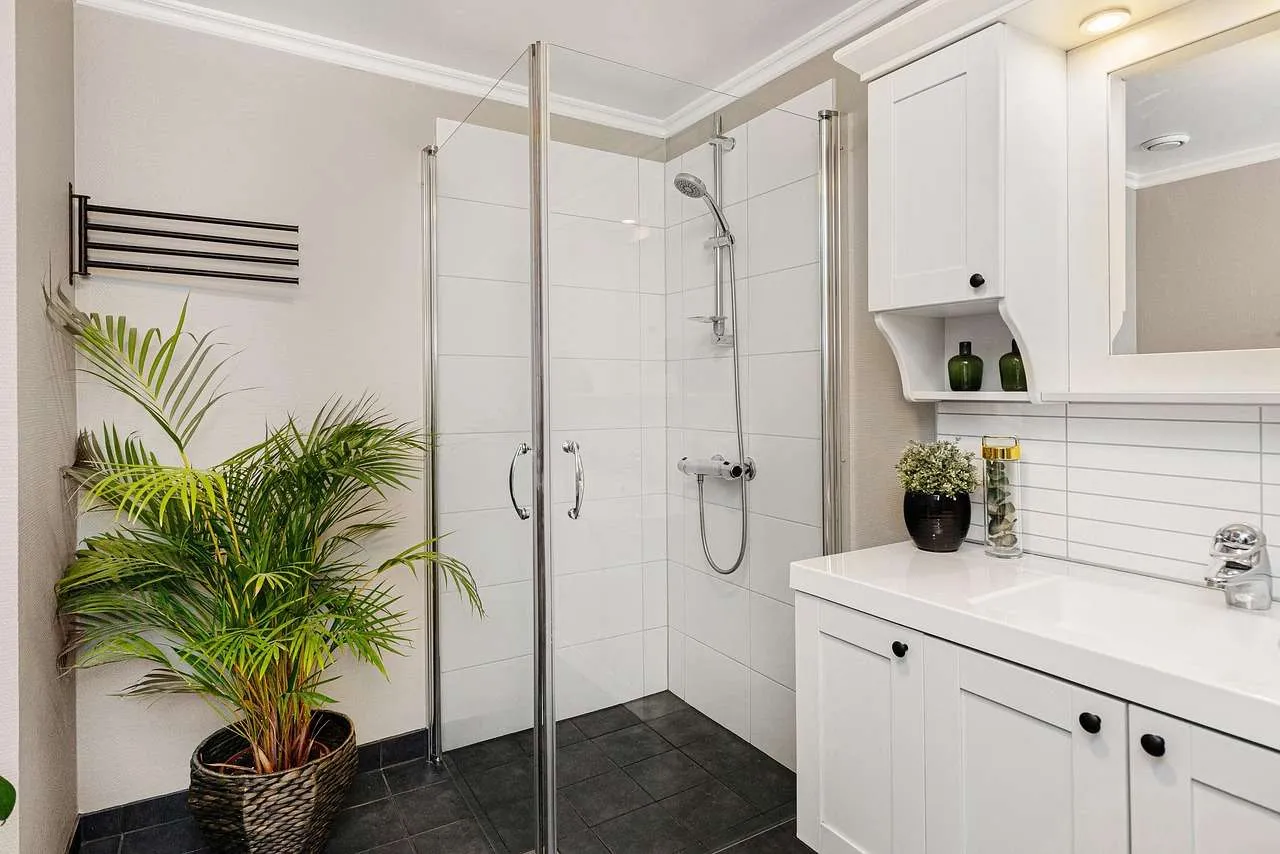
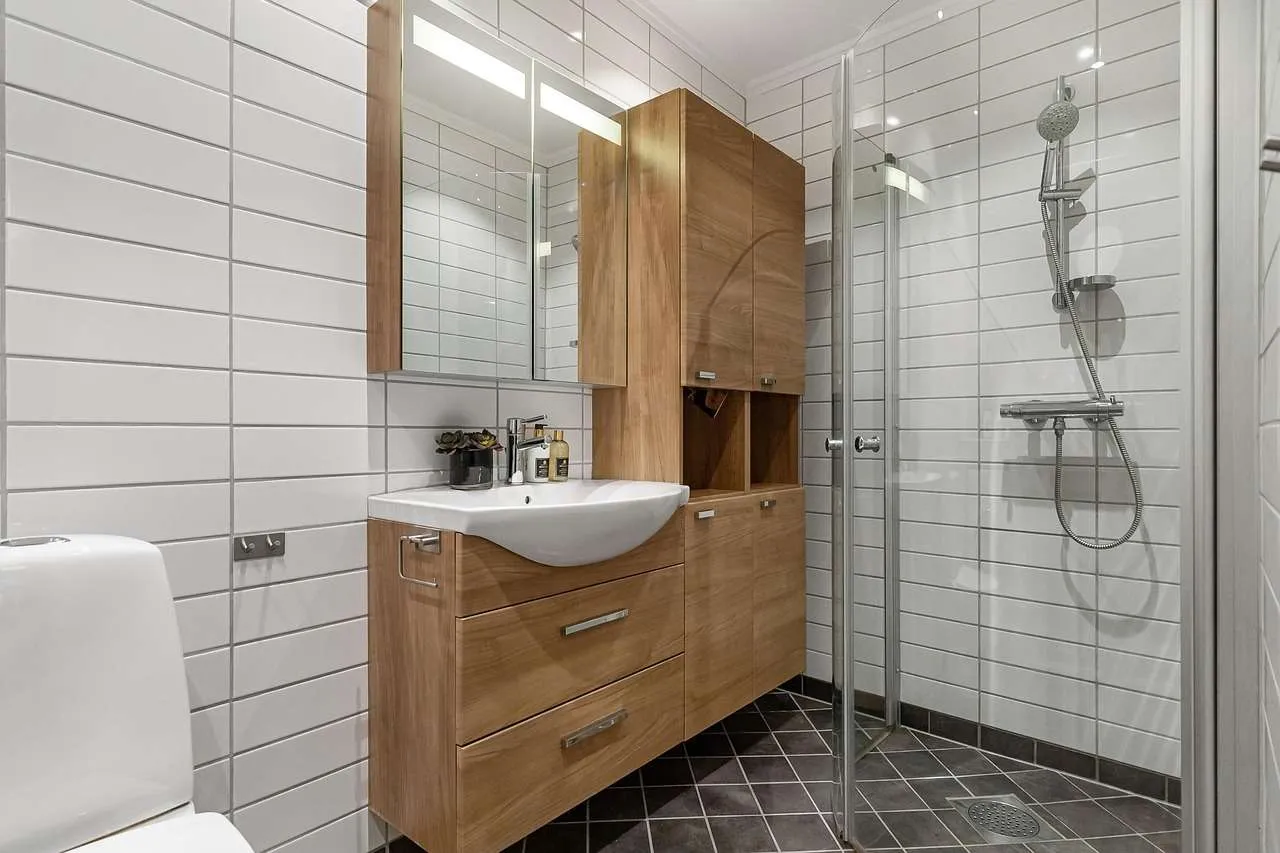
Tile size influences the perceived space. Large format tiles such as 24x48 inches on the floor create fewer grout lines and a sleek look, while 12x24 and 18x18 formats offer versatile patterns with strong durability. Small bathrooms benefit from larger tiles with light colors to maximize brightness, or a restrained mosaic layout as a focal point. Subway tile arranged in a classic brick pattern or stacked verticals remains a timeless choice. When selecting grout color, consider maintenance and aesthetics: matching grout hides lines; contrasting grout defines seams and can highlight a design. For safety, choose textured finishes or rectified edges to minimize the risk of slips in wet zones.
Durability, maintenance, and installation
Maintenance is a key part of long term performance. Ceramic and porcelain tiles are generally low maintenance, but grout care matters. Epoxy grout resists staining and is easier to clean but can be harder to work with during installation. Cement grout can be more prone to staining and cracking if not sealed properly. Seal porous grout and consider a penetrating sealer for stone to protect against moisture. Natural stone requires regular sealing and careful cleaning with pH balanced cleaners to protect the stone finish. In installation, waterproofing membranes, proper backer board, and correct slope in showers are essential. A professional installation ensures proper waterproofing, thinset selection, and grout sealing, which helps prevent costly water damage down the line.
For high traffic bathrooms or areas with heavy water exposure, insist on a waterproofing membrane behind the tile and a solid substrate. Good layout planning includes expansion joints and correct grout thickness to prevent cracking. If you are DIY minded, start with a small area such as a backsplash or a wall niche, and hire a pro for wet zones to ensure lasting performance.
Cost and budgeting
Tile costs vary widely by material and finish. Ceramic tiles typically range from 2 to 5 per square foot, porcelain from 3 to 7, natural stone and designer glass can exceed 8 per square foot. Labor costs for professional installation add to the total, and you should budget for waterproofing, backer boards, thinset, grouts, sealants, and edge trim. Don’t forget extra material for waste and cuts, pattern matching, and potential removal of old tile. If a full bathroom renovation is planned, consider a contingency of 10 to 20 percent to cover unexpected issues.
Tile type comparison
| Tile Type | Pros | Cons | Best Use |
|---|---|---|---|
| Ceramic | Affordable, wide range of styles | Softer, may require sealing on some surfaces | Bathrooms, backsplashes, walls |
| Porcelain | Very durable, water resistant | Higher cost, can be hard to cut | Floors, showers, wet zones |
| Natural Stone | Unique beauty, premium feel | Requires sealing, maintenance | Bathrooms, shower walls with proper sealant |
| Glass/Mosaic | Reflects light, modern accent | Shows water spots, delicate | Backsplashes, shower niches, feature walls |
In practice, many bathrooms use a combination: porcelain or ceramic on floors and walls, with natural stone or glass accents to create focal points. A reputable tile retailer can help you select products by slip resistance, water absorption, and surface hardness, ensuring you meet local codes and performance needs.
Consulting with a licensed tile installer ensures compliance with local building codes and guarantees proper waterproofing and grouting, reducing the risk of future repairs.
Summary, this guide covered tile types including ceramic, porcelain, natural stone, and glass, layout strategies, maintenance, and budgeting for bathroom tile projects. With careful selection and professional installation, bathroom tile delivers durability, style, and lasting value.