Choosing bathroom tiles is a decision that blends style with practicality. The right tiles withstand humidity, resist stains, and remain attractive for years. This guide covers the essential types, factors to consider, installation basics, maintenance, and design ideas to help you make an informed choice for your space.
Types of bathroom tiles
Common options include ceramic and porcelain which come in a wide range of colors and textures. Natural stone offers a premium look but requires more maintenance. Glass tiles add light and depth, while cement tiles bring bold patterns and durability.
Ceramic tiles
Ceramic tiles are affordable, versatile, and easy to cut. They are fired clay and glazed on the surface. Ideal for walls and light traffic floors, but some ceramic tiles can be less durable in wet areas compared with porcelain.
Porcelain tiles
Porcelain is a dense form of ceramic with low water absorption and higher wear resistance. It works well on floors and walls in bathrooms with higher traffic or moisture. Availability in large formats reduces grout lines and creates a seamless look.
Natural stone
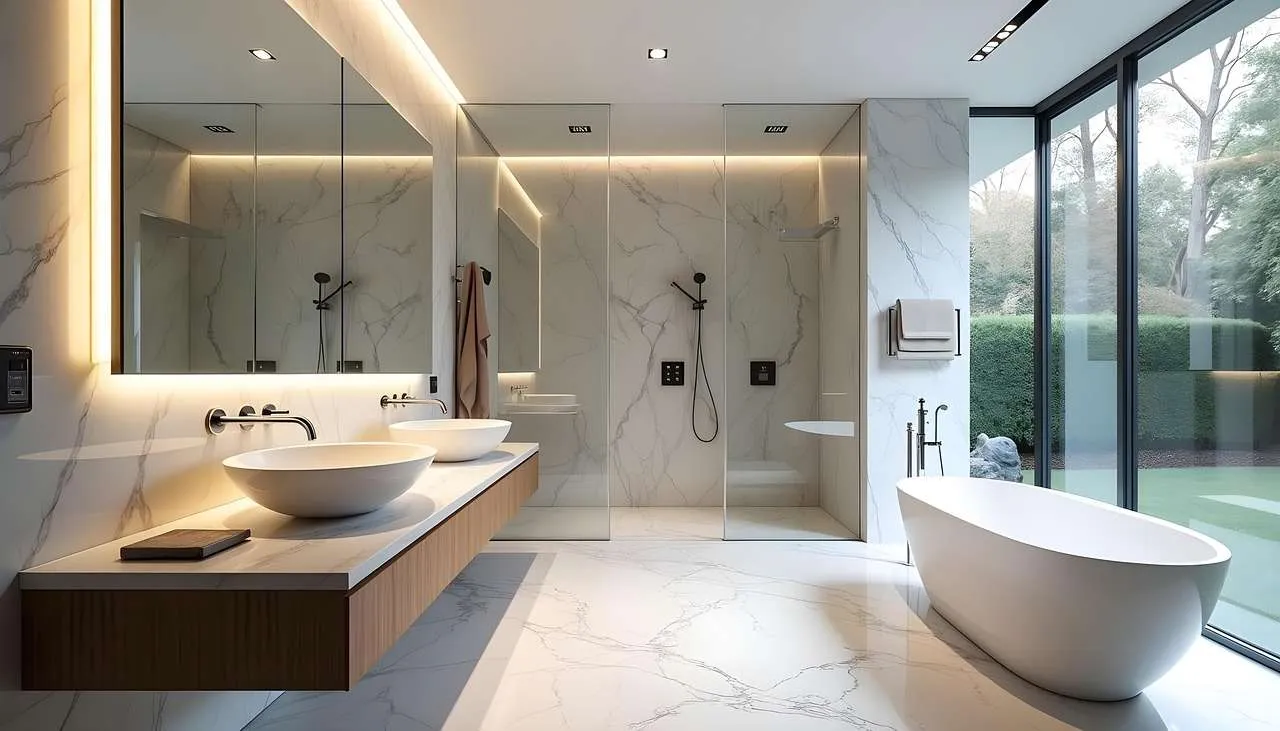
Stone options such as marble, travertine, or slate convey luxury. They require sealing and regular maintenance to prevent staining and etching. Ideal for showers and feature walls but may be more costly over time.
Glass and mosaic tiles
Glass tiles reflect light to brighten small bathrooms and create accent details. They can be slippery on floors and show water spots, so use them as backsplashes or walls rather than primary flooring in wet areas.
Cement tiles
Cement tiles bring bold patterns and durability but need proper sealing and occasional resealing. They can be susceptible to staining if not properly sealed.
Key factors to consider when choosing bathroom tiles
- Water resistance and slip resistance are crucial for floors and showers. Look for tiles with low water absorption and a suitable COF rating.
- Tile size and layout can influence the perceived space. Large format tiles create a roomy feel; small tiles add texture and detail in splashbacks.
- Finish and color impact maintenance. Matte finishes hide water marks better than glossy finishes, and neutral tones tend to age well.
- Grout color and width affect appearance and cleanliness. Contrasting grout can create accents; matching grout softens the look and helps grout lines blend.
- Budget and installation complexity vary by material. Porcelain and ceramic are typically more affordable than natural stone or handmade cement tiles.
Design ideas and trends
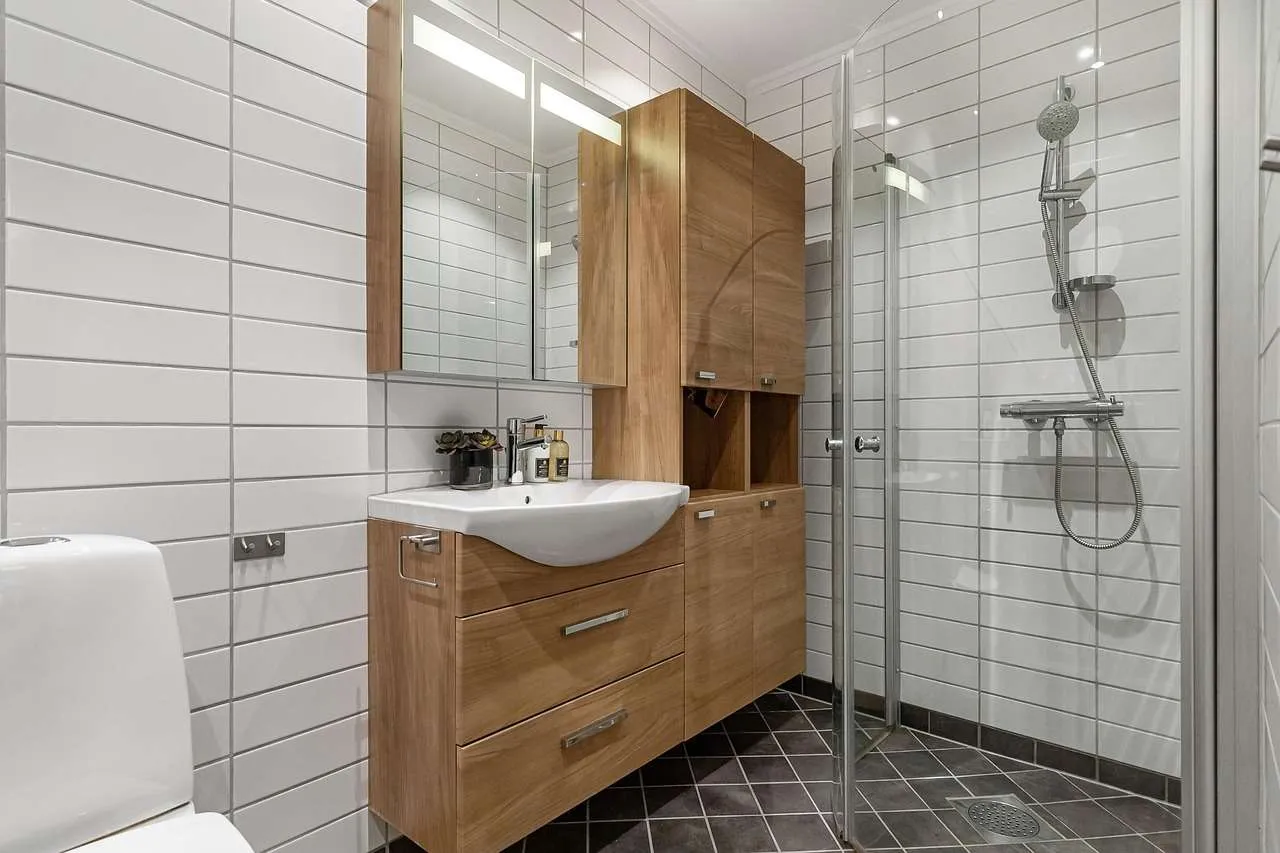
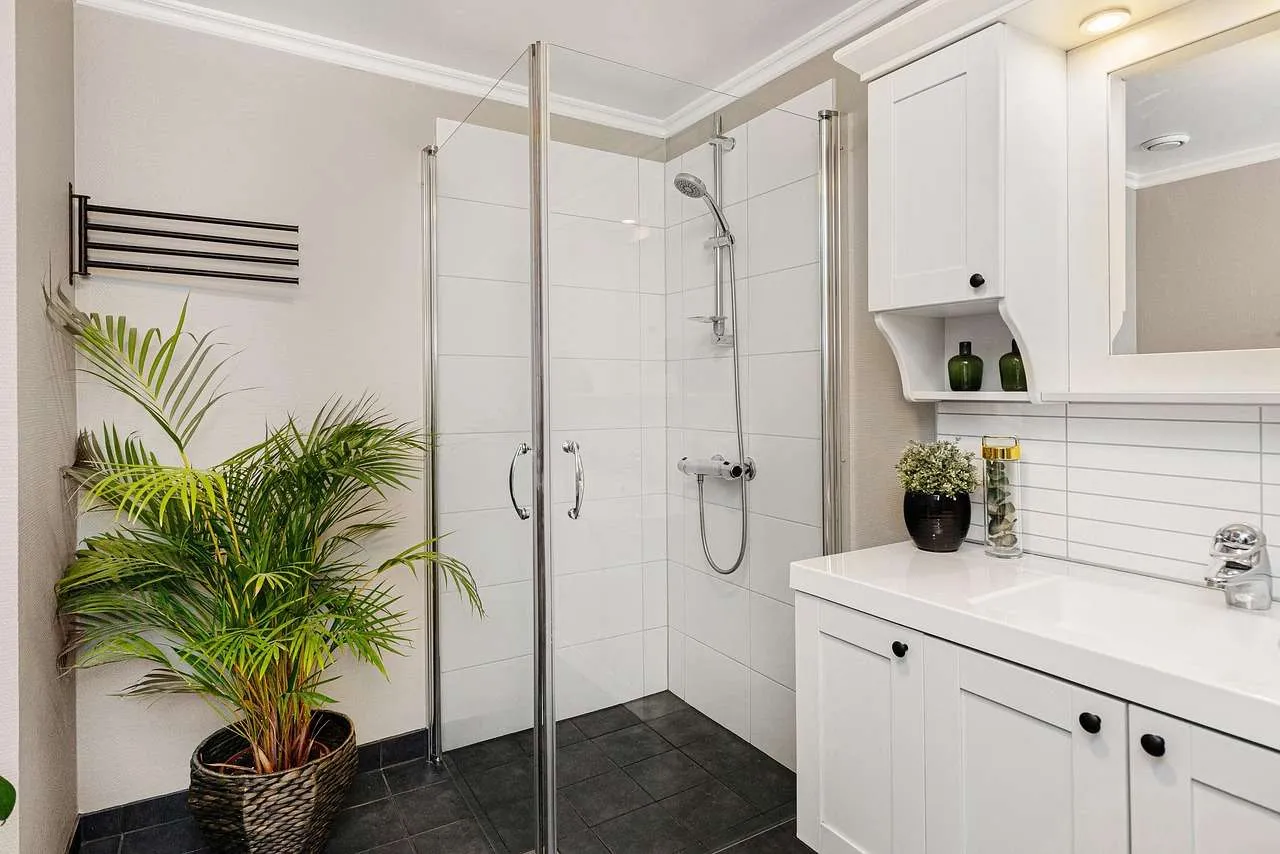
Trending designs include large format planks or hexagonal patterns, subway tiles laid in classic or herringbone layouts, and engineered stone-look porcelain that mimics natural stone without the maintenance. Use one tile for the whole shower surround to reduce grout lines, or mix a bold accent tile with a calm base to create visual interest without overpowering the space.
Installation and maintenance essentials
Professional installation ensures proper substrate preparation, waterproofing, and correct tile setting. A good substrate prevents cracks and water damage. Maintenance varies by material: seal natural stone and cement tiles, clean porcelain and ceramic with pH neutral cleaners, and seal grout to prevent staining. Regular resealing is recommended for high moisture areas.
Comparing tile materials
| Material | Pros | Cons | Best Use |
|---|---|---|---|
| Ceramic | Affordable, wide range of colors, easy to cut | Less durable on floors in wet areas | Walls and low traffic floors |
| Porcelain | High durability, low water absorption, large formats | Can be more expensive, harder to cut | Floors and showers |
| Natural Stone | Premium looks, unique patterns | Requires sealing and more maintenance | Showers and feature walls |
| Glass | Reflects light, modern aesthetic | Slippery on floors, shows water spots | Backsplashes and accents |
| Cement | Bold patterns, durable with sealing | Needs sealing, may stain | Statement floors and walls |
How to choose the right bathroom tiles for your space
Start by assessing moisture zones and foot traffic, then align with your design goals. If you want a serene, timeless bathroom, pick neutral porcelain or ceramic tiles with a matte finish and a simple grout. For a luxury feel, mix natural stone with a complementary ceramic accent. Always consult a professional if you’re unsure about substrate preparation and waterproofing.
Conclusion, selecting bathroom tiles involves balancing durability, aesthetics, and maintenance. By understanding tile types, finishes, installation needs, and care requirements, you can create a durable and beautiful bathroom that ages well with your home.