Small bathroom ideas are not just about aesthetics. They are about making a limited footprint function for daily use while preserving style. The best ideas combine smart layouts, durable materials, and thoughtful storage that disappears when not needed. This guide draws on proven design principles and practical tips to help you maximize every inch with confidence.
Smart design principles for small bathrooms
In small bathrooms, proportion and sightlines matter more than in larger spaces. Choose fixtures with clean lines and compact footprints. Keep furniture raised on legs or wall mounted to create a sense of airiness and to ease cleaning.
Layout optimization
Consider a single wall layout where the sink, toilet, and shower run along the same zone, or a corner sink paired with a narrow vanity. A pocket door or sliding door eliminates the door swing, reclaiming valuable clearance in front of the vanity and shower.
Storage ideas that truly help
Storage should be hidden or recessed wherever possible. Options include recessed niches in the shower wall, a tall medicine cabinet, and vertically mounted shelves above the toilet. A slim vanity with a true undermount sink can offer storage without bulking up the room.
Shower and vanity storage
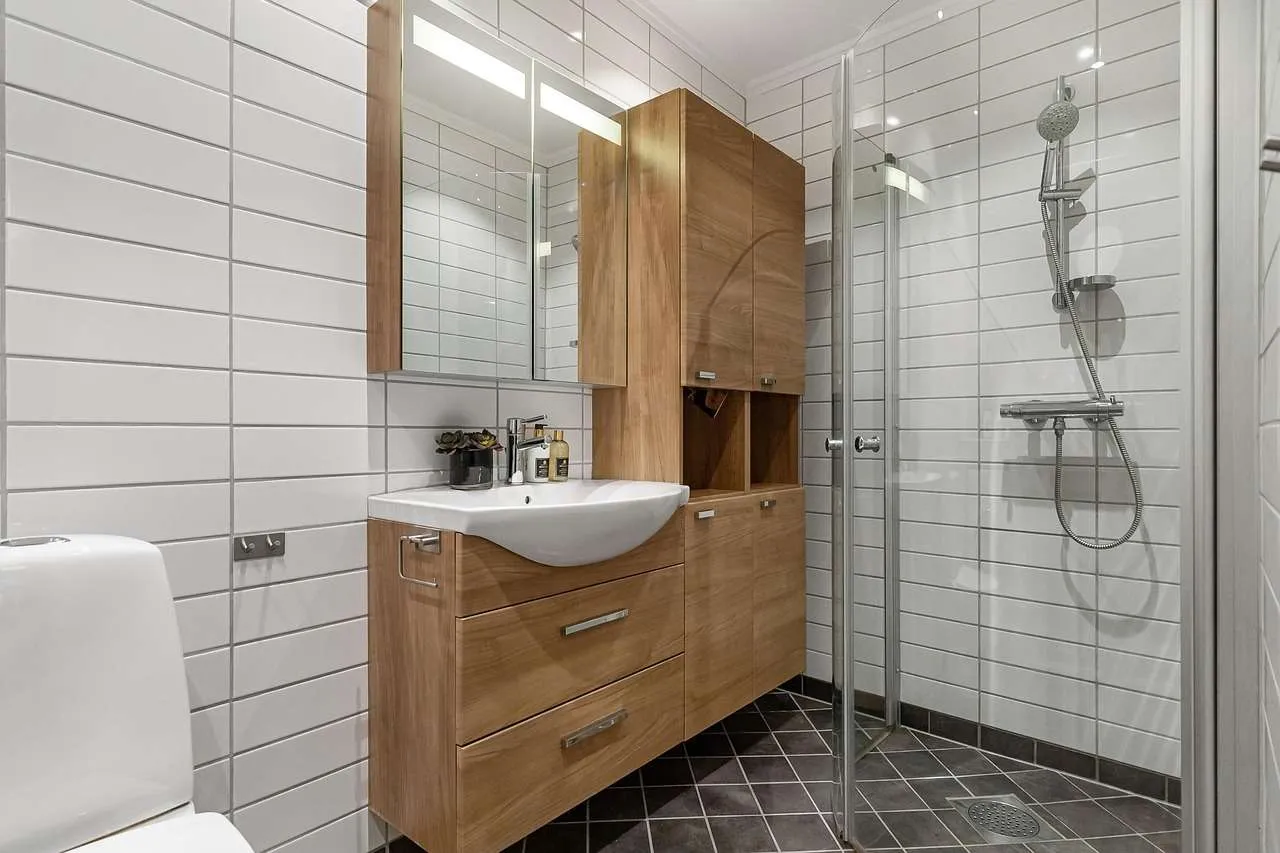
Use niches in shower walls and a slim depth vanity. Floating vanities create a sense of openness and allow easier cleaning under furniture. If you can, opt for a recessed or mirrored medicine cabinet to keep daily items within reach without crowding the counter.
Color, lighting, and mirrors
Light colors and reflective surfaces brighten small rooms. Pair matte or glossy neutrals with a large mirror to visually expand the space. A well-chosen mirror can serve as a focal point and a practical storage element if you choose a mirrored cabinet.
Lighting plan
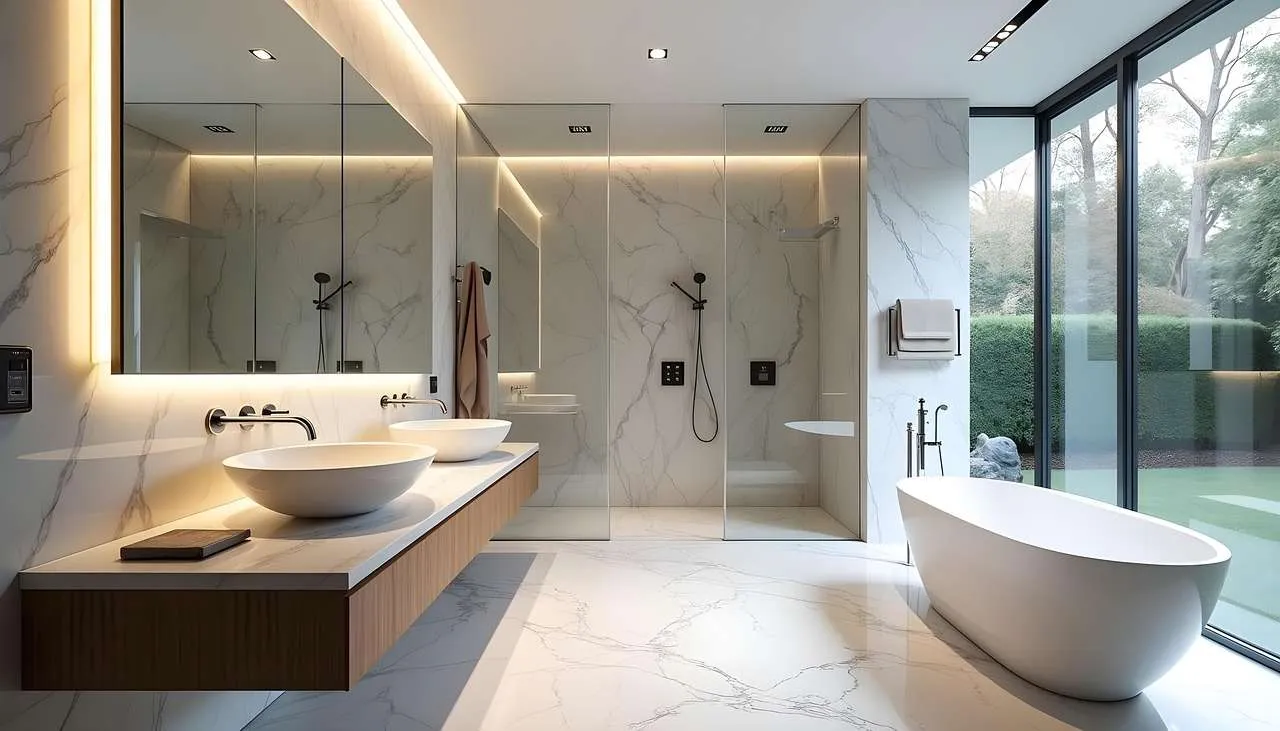
Layered lighting is essential. Use ambient lighting to set the mood, task lighting near the vanity, and subtle accent lights to highlight architectural details. LED strips under floating vanities or around the mirror deliver bright, energy efficient illumination without harsh shadows.
Materials and finishes that last
Moisture resistance and ease of maintenance matter in every choice. Porcelain or ceramic tile, sealed vinyl, and moisture rated paints help avoid mold and staining. Choose trimless edges and concealed seals for a cleaner look that stands up to humidity.
Budget brief and planner
Plan with a realistic budget and a phased approach if needed. Compare quotes from licensed professionals, invest in reliable ventilation and waterproofing, and opt for durable materials in high traffic zones.
Comparison at a glance
Below is a quick guide to common ideas and their impact.
| Idea | What it does | Typical cost | Best for |
|---|---|---|---|
| Wall mounted toilet and vanity | frees floor space and clean sightlines | mid to high | very small rooms |
| Pocket or sliding door | saves door swing space | mid | tight layouts |
| Recessed niches and shelves | extra storage without bulk | low to mid | showers and baths |
| Large mirror or mirrored cabinet | widens perception of space | low to mid | lighting boost |
| Neutral light palette | reflects more light | low | overall openness |
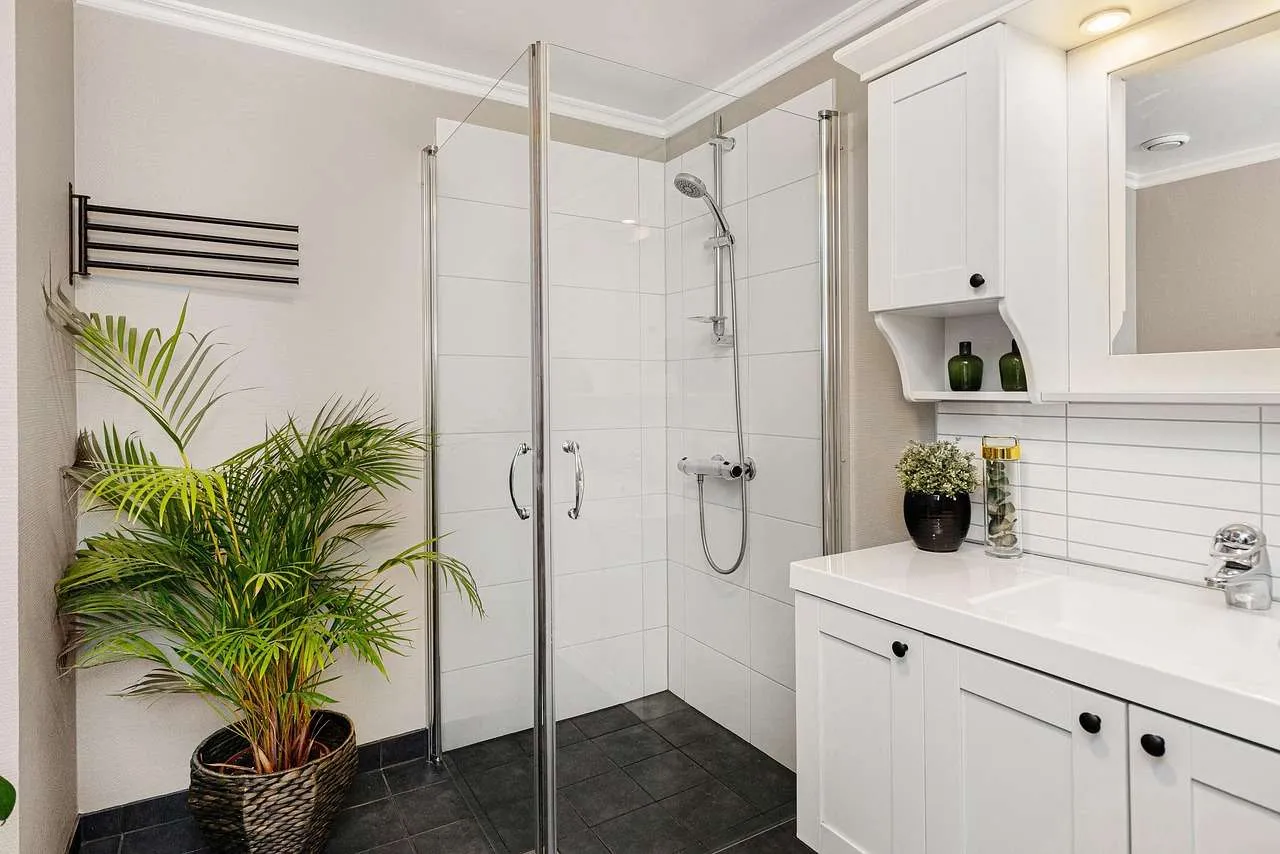
| Glass shower enclosure | reduces visual bulk | mid to high | open feel |
Maintenance and accessibility
Choose materials that resist mold, are easy to clean, and provide anti slip safety features on floors. Where feasible, install lever handles and affordable grab bars to future proof the space for ease of use and inclusivity.
Conclusion, these small bathroom ideas come together when you plan around proportions, maximize vertical storage, select space saving fixtures, embrace light colors, and layer lighting. With careful selection and a practical budget, you can transform a compact bathroom into a comfortable, stylish, and durable everyday space.